Furniture Production Lead Times: What to Expect and How to Plan
Lead time is one of the first questions buyers ask — and one of the most misunderstood.
A manufacturer’s quoted lead time is not simply how long it takes to produce a piece of furniture. It is a figure influenced by order queue, component sourcing, production scheduling, finishing time, quality control and logistics. Understanding what goes into that number helps you plan more accurately and avoids the most common sourcing mistake: building a schedule around an optimistic lead time that does not account for any of these variables.
What “Lead Time” Actually Means
When a furniture manufacturer quotes a lead time of, say, 8–10 weeks, that typically means: 8–10 weeks from order confirmation and deposit receipt to goods ready for collection at the factory. It does not include:
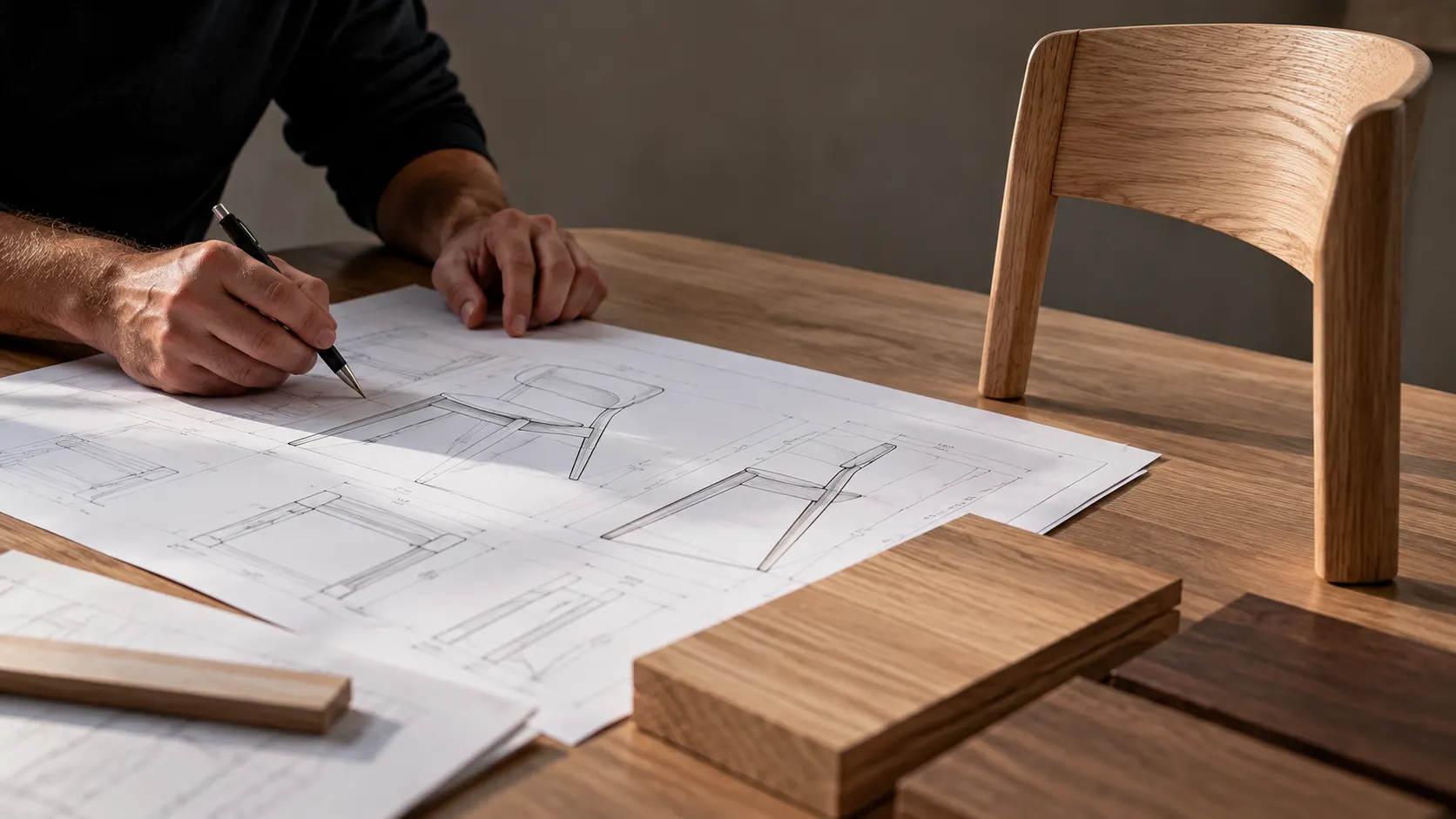
- the time to finalise specifications and approve samples
- transit time to your warehouse
- any customs clearance (for non-EU destinations)
- time between your decision and placing the formal order
A more useful planning metric is the total sourcing lead time — from first conversation to goods received. For a new product with a pre-production sample requirement, this is often 14–20 weeks for a first order, even with a fast and capable manufacturer.
For repeat orders of approved products, lead times shorten considerably because the sample stage is complete and the manufacturer already has your production data.
What Drives Lead Time
Several factors affect how long production actually takes:
Order queue. A busy factory with a full production schedule may have a 4–6 week wait before your order can start. This queue time is often invisible in a quoted lead time. Ask specifically when production can begin, not just when it will finish.
Component and material sourcing. Some materials — specialist veneers, upholstery fabrics, hardware — may need to be sourced specifically for your order. If a material is out of stock or has its own lead time, that adds directly to yours.
Construction complexity. A simple solid wood stool takes less time to produce than an upholstered lounge chair with bent wood components and a leather seat. More operations mean longer production time, and more opportunities for quality issues that require correction.
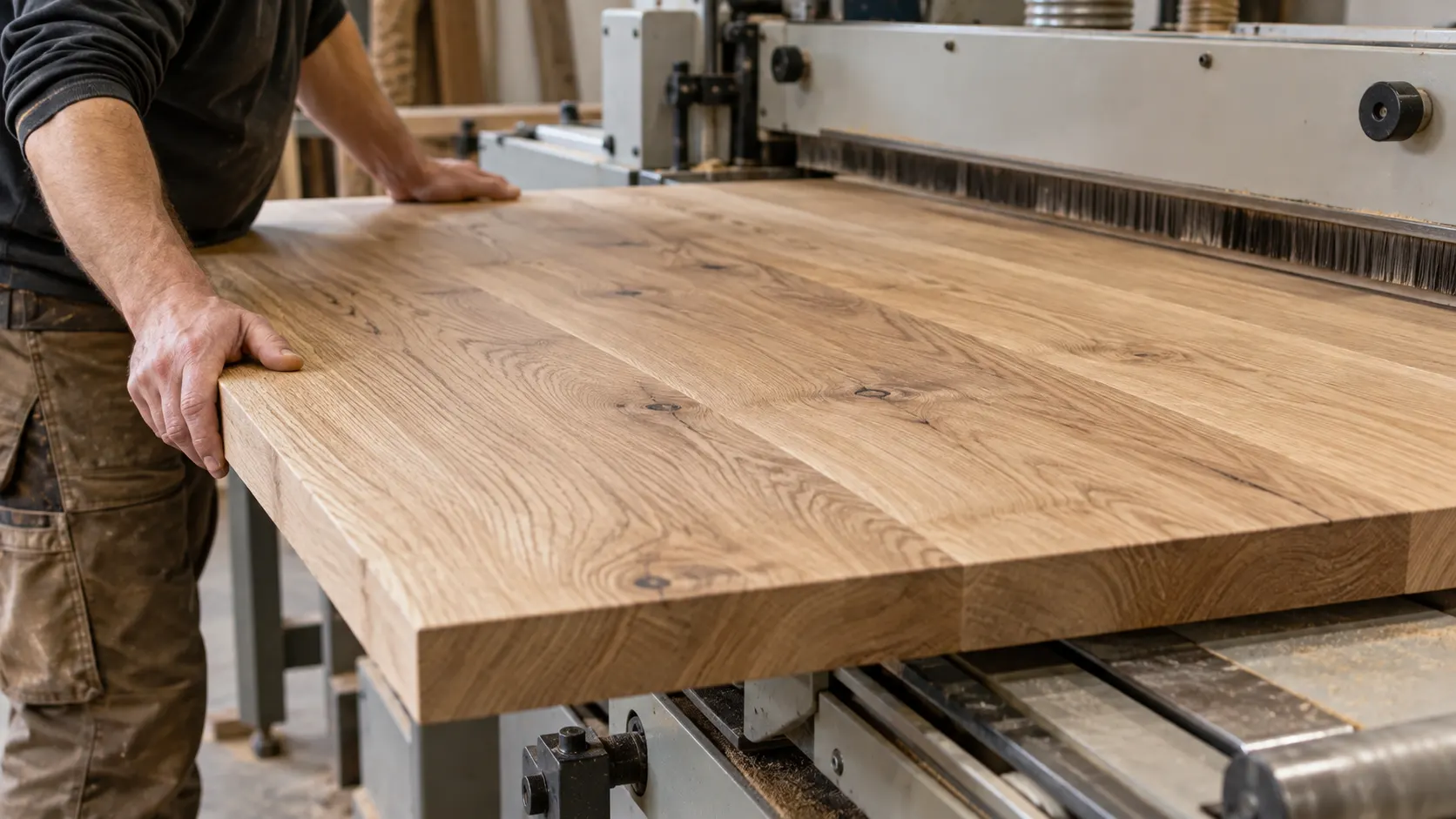
Finishing. Drying time between finish coats is not compressible. An oil finish requires multiple coats with drying periods between each application. Lacquer schedules have their own timing requirements. Finishing is often what makes a production schedule feel slow — and it is also where shortcuts are most visible in the finished product.
Batch size and sequencing. Small batches of multiple SKUs often take longer per unit than larger batches of a single product because of the time lost in setup changeovers between different products.
Typical Lead Times by Product Type
These are realistic ranges for solid wood furniture produced at a quality level appropriate for European markets. They assume specifications are finalised, materials are in stock, and a pre-production sample has already been approved.
| Product type | Production lead time |
|---|---|
| Solid wood chair or stool | 4–6 weeks |
| Solid wood dining table | 5–8 weeks |
| Upholstered chair with wood frame | 6–10 weeks |
| Solid wood storage unit or sideboard | 6–8 weeks |
| Upholstered sofa with wood base | 8–12 weeks |
| New product, first sample | Add 3–6 weeks |
Add 1–3 weeks for road freight to Central and Northern Europe from Bosnia.
For our own production at BOSA Contract, typical lead time on approved products runs 6–10 weeks depending on order volume and current schedule. New products requiring a sample add time at the front of that schedule.
First Order vs. Repeat Order
The first order with a new manufacturer is almost always the slowest. Beyond production, it involves:
- specification review and alignment
- pre-production sample production and approval
- potential sample revisions
- logistics setup and documentation
Buyers who account for this upfront and plan their first order with sufficient lead time tend to have good experiences. Buyers who approach a manufacturer with an urgent timeline for a first order tend to be disappointed.
Once the first order is complete — sample approved, specifications documented, production data on file — repeat orders move through the system much faster. For repeat clients at BOSA, we maintain production records and finish references so reorders can start without repeating the specification process.
How to Build a Realistic Production Schedule
A practical production schedule works backwards from the date goods need to be in your warehouse.
- Warehouse receipt date — when you need goods on hand
- Subtract transit time — typically 3–7 days for road freight within Europe from Bosnia
- Subtract QC and packing time — typically 3–5 days
- Subtract production time — based on the product type table above
- Subtract queue time — ask your manufacturer when they can start
- Subtract sample time — if this is a new product
The result is the date by which you need to confirm the order and pay the production deposit. Work back from a real deadline and the production start date becomes obvious.
Most sourcing problems are visible at the planning stage — they only become crises when the planning stage is skipped or compressed.
Managing Delays
Even well-planned production runs encounter delays. How your manufacturer communicates about them matters as much as the delay itself.
Signs of a manufacturing partner who handles this well:
- proactive notification when a delay is likely, before the original date passes
- clear explanation of the cause and revised timeline
- honest communication about whether the revised timeline is realistic
A manufacturer who tells you about a delay when it is already happening, or who gives you a revised date they cannot keep, creates a problem you cannot manage.
We try to communicate proactively about schedule. If a production step is running behind, we would rather notify a client early and manage expectations than wait until the original date and explain after the fact.
A Note on “Rush” Orders
It is occasionally possible to prioritise a client’s order in the production queue. This typically involves a premium on unit cost or involves smaller quantities that can be slotted into scheduling gaps.
Rush orders should not be the plan. They should be the exception — used when an unexpected situation arises in an otherwise well-managed supply relationship.
If you find yourself routinely needing rush production, that is a signal that the sourcing process needs adjustment, not that you need a manufacturer who tolerates short notice.
If you are planning a production run and want to discuss realistic timelines for your product, contact us. We will give you an honest answer based on our current schedule and your specifications — not the number you want to hear.
You can also view our portfolio to see the types of solid wood products we produce regularly.
Need a manufacturing partner?
Tell us your product specification and target volume — we reply within 1 business day.
Request a quote →